

Главная » Одежда и мода »
How to Check the Value of Old Coins: A Practical, Step-by-Step Guide for Curious Collectors
9 апреля 2026SQLITE NOT INSTALLED
Finding an old coin in a shoebox or inherited tin can feel like holding a small piece of time. Before you let imagination run wild, though, the smart move is to learn how to check its value properly. This article walks you through identification, grading, research, authentication, and sale options—without jargon that obscures the facts. Read slowly, take notes on your best coin identifier app, and treat each step as evidence-gathering. The better the evidence, the more accurate the value estimate.
Why value isn’t just a number
People often expect a single «value» to pop up on a chart. In reality, value is a range determined by several interacting things: the coin’s date and mint mark, how well it’s preserved, how many others survive in similar condition, what collectors want right now, and what metal it contains. A common-date coin in mint condition can sometimes be worth more than a rare but badly worn example. Think of value as a conversation between historical rarity and current market demand.
Essential tools and resources
Before you begin, gather a few modest tools and reliable references. These will keep you from making rookie mistakes like cleaning a coin or misreading a date. You don’t need a laboratory—just a loupe, a soft surface, a scale, and trustworthy references.
| Item | Why it helps | Approximate cost |
|---|---|---|
| 10x jeweler’s loupe | See small mint marks, die cracks, and surface flaws | $10–$30 |
| Calipers and small scale | Verify diameter and weight against standards | $15–$50 |
| Soft cloth and gloves | Handle coins without adding fingerprints or scratches | $5–$20 |
| Reference book (Red Book) | Historical mintage, basic price ranges, and images | $20–$30 |
| Access to price databases | Real-time market data from auctions and dealers | Varies (some free, some subscription) |
Step-by-step: Checking the value of an old coin
- Identify the coin (date, country, denomination, and mint mark).
- Assess the condition—do a basic grade.
- Research rarity and mintage numbers.
- Check metal content and intrinsic value.
- Compare real-market prices (sales, auctions, dealer listings).
- Authenticate if the coin appears valuable or unusual.
- Decide whether to sell, keep, or get formal grading.
1. Identification: get the basics right
Start by reading the obverse (front) and reverse (back). Note the year, denomination, and any mint mark—often a small letter near the date or edge (examples: D for Denver, S for San Francisco). Photograph both sides in natural light and write down everything you see, including wear patterns and any unusual marks. If the date is partly obscured, don’t try to scrape it free—take high-resolution photos and view them under a loupe; sometimes tilt reveals faint digits.
2. Condition: learn the grading basics
Condition is the single most important factor after identification. Collectors use the Sheldon 1–70 scale: 1 is barely a recognizable coin, 70 is flawless and perfectly struck. You don’t need to memorize the entire scale; learn the common bands instead: Good (G), Fine (F), Very Fine (VF), Extremely Fine (EF/XF), About Uncirculated (AU), and Mint State (MS). Look at high points—on U.S. coins, these wear first. Heavy scratches, cleaning, or corrosion reduce value dramatically. When in doubt, take clear photos and compare them to online grading guides.
3. Rarity and varieties: the devil is in details
Not all coins of the same year are equal. Mint errors (double dies, repunched mint marks, off-centers) and recognized varieties can be far more valuable than a standard strike. Conversely, millions of a particular coin reduce individual worth. Use catalogs and databases to check mintage figures and recorded population reports. For U.S. coins, the Red Book offers a starting point, while online variety databases and auction records provide deeper insight.
4. Metal content: bullion vs. numismatic value
Some coins are valued primarily for their metal—gold and silver bullion coins track metal prices closely. Other coins carry numismatic premiums that exceed metal value by collectors’ demand. Weigh your coin and compare it to standard specifications (weight and diameter). If the weight is off, the piece could be altered or counterfeit. Remember: even if a coin contains precious metal, its collector value might be higher—or lower—than the melt value.
5. Market research: what people actually pay
Price guides give ranges, but real-world prices come from sales. Check recent eBay “sold” listings, auction houses like Heritage and Stack’s Bowers, and dealer price lists. Pay attention to prices for coins in similar grades and with similar provenance. Use multiple sources—if a coin’s asking price is vastly higher than recent sale prices, take that as a warning. For rare items, auction records are the most reliable indicator of what collectors will pay at a given time.
6. Authentication and professional grading
If your research suggests a high value, seek professional authentication. Services like PCGS and NGC provide grading, encapsulation, and population reports. Slabbed coins usually command higher trust and smoother sale processes. Expect grading fees and shipping costs; decide whether those costs are justified by the coin’s likely market improvement. For very inexpensive coins, professional grading is rarely worth it.
7. Selling or keeping: options and considerations
Once you have an estimated value, choose how to proceed. Selling options include local coin shops, online marketplaces, auctions, and consignment through reputable dealers. Each has trade-offs: local sales are fast but may pay less, auctions can fetch top prices but charge fees, and online listings require good photos and descriptions. If you plan to hold, consider storing valuable coins in a safe deposit box or a home safe with humidity control.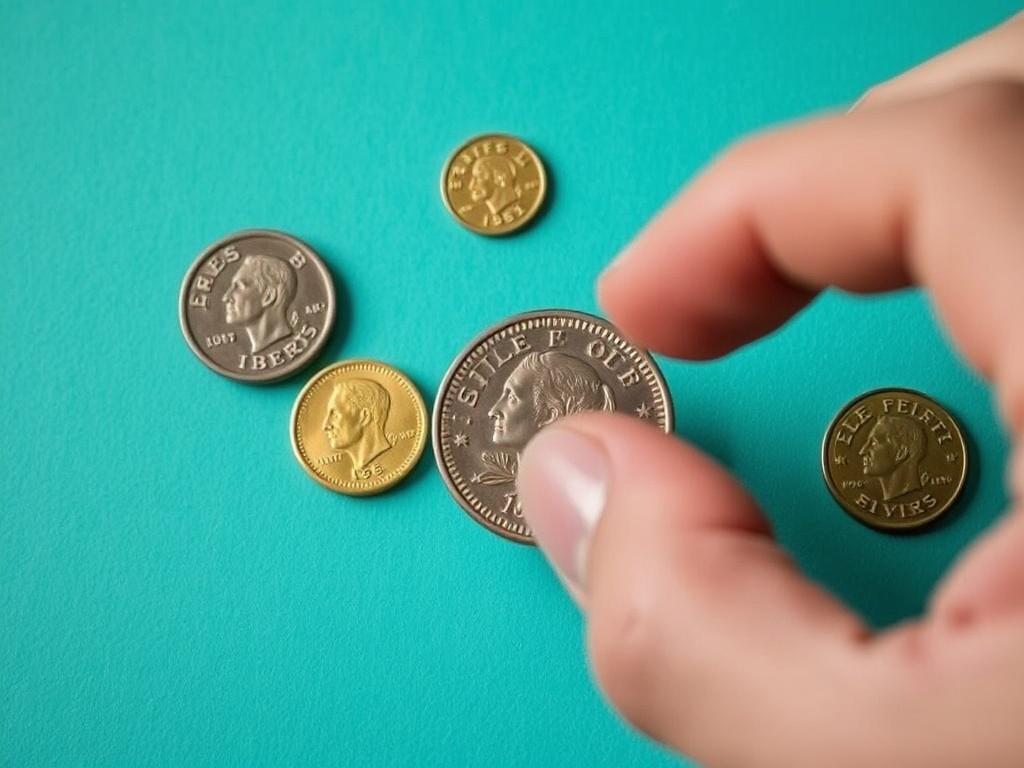
Quick reference: common coin types and what drives their value
| Coin Type | Typical value drivers | Notes for beginners |
|---|---|---|
| U.S. Morgan & Peace Silver Dollars | Mint year/mint mark, condition, silver content | Common dates still worth checking for key-date varieties |
| Lincoln Cents | Date, mint mark, errors (double die obverse), condition | Pre-1955 doubles can be valuable; avoid cleaning |
| Buffalo & Indian Head Nickels | Key dates (e.g., 1913 Type, 1918/7-S overdate), condition | High-point wear reduces value quickly |
| Gold Eagles & Early U.S. Gold | Gold content, rarity, strike quality | Often targeted by counterfeiters—authenticate carefully |
Dos and don’ts for beginners
- Do handle coins by the edges and use gloves for valuable pieces.
- Do document photographic evidence and keep notes about provenance.
- Don’t clean a coin. Cleaning cuts value dramatically and is nearly impossible to undo.
- Don’t accept a single online price as definitive—check multiple sources.
- Do ask for a second opinion from a reputable dealer or experienced collector.
- Don’t sell quickly out of impatience; the right channel yields better returns.
Detecting fakes: simple checks that catch most counterfeits
Counterfeits are more convincing than ever, but basic tools still catch many fakes. Compare weight and diameter to official specifications. Look for odd edges, incorrect reeding, or poor strike details with a loupe. Authentic coins usually have wear that matches the metal’s age; artificially aged surfaces often show inconsistent corrosion or abrasions. For suspected high-value pieces, third-party authentication is the only safe route—never assume a coin is real because it «looks right.»
When to get professional help
If your coin checks several positive boxes—clear date, high-grade appearance, rare year or variety, or precious metal content—consult a professional. A reputable dealer can provide a quick appraisal; a grading service can give a market-accepted certification. If the coin is part of an estate or you suspect historical significance, consider an appraiser who specializes in numismatics to document provenance for insurers or heirs.
Keeping records and building knowledge
Good record-keeping increases future value and makes sales smoother. Keep photos, purchase receipts, grading certificates, and notes about where and how a coin was found or acquired. Over time, follow auction results and join a coin forum or a local club. The more you observe market trends and study examples, the better you’ll become at spotting subtle value cues.
Practical example: a quick check in 10 minutes
If you only have ten minutes, here’s a compact routine: 1) Photograph both sides in daylight. 2) Read the date and mint mark. 3) Weigh the coin and measure diameter. 4) Inspect high points under a loupe for wear. 5) Search recent eBay sold listings for that date + mint + grade keywords. That won’t replace deep research, but it gives a realistic ballpark and tells you whether the coin deserves more attention.
Conclusion
Checking the value of an old coin is part detective work, part market analysis, and a bit of patience. Start with accurate identification, assess condition carefully, consult multiple price sources, and never clean or hastily sell a potentially valuable piece. Use simple tools and reliable references, and when you encounter a coin that seems rare or valuable, seek professional authentication and consider grading. Over time, small habits—photographing finds, keeping notes, and watching auction results—will sharpen your instincts and lead to smarter decisions, whether you collect for pleasure, investment, or both.
- Машинки для стрижки: как выбрать удобную модель для дома
- Как книги по истории и антропологии в «Альпина Паблишер» помогают увидеть прошлое живым
- Аппарат для маникюра и педикюра: как выбрать технику для ухода
-
Проникающая гидроизоляция цена Скопировать Размещена на площадке womanka.ru Написать сообщение TITLE Проникающая гидроизоляция цена Скопировать Keywords Проникающая гидроизоляция цена Скопировать Description Особую ценность эта технология приобретает при ремонте подвальных помещений и фундаментов, где традиционная рулонная гидроизоляция уже невозможна. Составы проникающего действия наносятся с внутренней стороны. Скопировать Адрес url pronikayushchaya-gidroizolyaciya-cena Скопировать Анонс Особую ценность эта технология приобретает при ремонте подвальных помещений и фундаментов, где традиционная рулонная гидроизоляция уже невозможна. Составы проникающего действия наносятся с внутренней стороны. Скопировать Внимание! В статье присутствует изображение с другого сайта. Настоятельно рекомендуем при размещении статьи скопировать изображение себе на сайт и вставить в статью его. Количество символов в статье 3333 Каталог размещения Яндекс Оцените статью Текст статьи: Копировать: Текст или Html Cменить отображение Что такое проникающая гидроизоляция и как она работает Проникающая гидроизоляция представляет собой сухую смесь на основе цемента, кварцевого песка и активных химических компонентов. При нанесении на увлажненную поверхность активные вещества растворяются в воде и проникают в капиллярно-пористую структуру бетона. Вступая в реакцию со свободной известью, они образуют нерастворимые кристаллические соединения, которые надежно блокируют поры и микротрещины. Этот процесс имеет принципиальное преимущество: кристаллы не просто заполняют пустоты, а «врастают» в бетонную матрицу, создавая единую монолитную структуру. Глубина проникновения может достигать 80 см. Материал работает как с положительной стороны давления воды (со стороны напора), так и с отрицательной, что делает его универсальным решением для подвалов, фундаментов, бассейнов и резервуаров. Факторы, формирующие цену Стоимость проникающей гидроизоляции складывается из нескольких составляющих: Тип и состав материала На рынке представлены составы разных производителей. Продукция известных брендов, таких как Пенетрон, Vandex или Bergauf, имеет более высокую цену благодаря отработанной формуле и стабильному качеству . Более бюджетные аналоги, например Гидрохит или Пенеплаг, могут предлагать сопоставимые характеристики при меньшей стоимости. Фасовка Цена указывается за упаковку определенного веса. Стандартная фасовка для профессионального применения — мешки или ведра по 25 кг. Например: Пенетрон (25 кг) — от 11 000 до 16 250 рублей в зависимости от объема закупки и торговой точки Bergauf Hydro Isotron (25 кг) — около 9 741 рубля Vandex Super (25 кг) — от 9 669 рублей при оптовой закупке Для небольших объемов работ доступны упаковки по 5, 4 или 10 кг: Пенетрон (5 кг) — около 1 716 рублей Glims WP X5 (4 кг) — около 550 рублей Расход материала на квадратный метр Расход напрямую влияет на итоговую смету. Большинство составов требуют нанесения в два слоя с промежуточной сушкой . Средние показатели: Пенетрон — 0,8–1,1 кг/м² при нанесении в два слоя АрмМикс Гидроизол W14 — 0,8–1,2 кг/м² Bergauf Hydro Isotron — 1,2 кг/м² на два слоя Стоимость работ под ключ При заказе профессиональной гидроизоляции цена включает не только материалы, но и подготовку поверхности, грунтовку и нанесение состава. Расценки в Москве варьируются от 2 465 до 2 800 рублей за квадратный метр . Это оправданное вложение, так как качественное нанесение гарантирует долговечность результата. Как рассчитать бюджет Чтобы оценить предстоящие расходы, нужно: Рассчитать площадь обрабатываемой поверхности Умножить на расход материала (указан на упаковке) Прибавить стоимость грунтовки для бетона (подготовка обязательна) Заложить запас 10–15% на неизбежные потери при замешивании и нанесении Например, для обработки 50 м² фундамента потребуется 40–55 кг сухой смеси (при расходе 0,8–1,1 кг/м²). В зависимости от выбранного бренда материалы обойдутся в сумму от 20 000 до 30 000 рублей. Когда проникающая гидроизоляция становится единственным решением Особую ценность эта технология приобретает при ремонте подвальных помещений и фундаментов, где традиционная рулонная гидроизоляция уже невозможна. Составы проникающего действия наносятся с внутренней стороны, надежно блокируя капиллярный подсос влаги. Материал устойчив к механическим повреждениям и не отслаивается со временем, так как является частью бетонной конструкции. Учитывая многообразие предложений, выбор конкретного состава и исполнителя должен опираться на точный расчет площади, условий эксплуатации и планируемого бюджета. Консультация со специалистом поможет подобрать оптимальное соотношение цены и качества для вашего объекта. Группа компаний https://mossnabsistema.ru организована в 2007 году и специализируется на комплексной реализации и быстром бесперебойном снабжении строительными и отделочными материалами строительных объектов.
Что такое проникающая гидроизоляция и как она работает
Проникающая гидроизоляция представляет собой сухую смесь на основе цемента, кварцевого песка и активных химических компонентов. При нанесении на увлажненную поверхность активные вещества растворяются в воде и проникают в капиллярно-пористую структуру бетона. Вступая в реакцию со свободной известью, они образуют нерастворимые кристаллические соединения, которые надежно блокируют поры и микротрещины.
Этот процесс имеет принципиальное преимущество: кристаллы не просто заполняют пустоты, а «врастают» в бетонную матрицу, создавая единую монолитную структуру. Глубина проникновения может достигать 80 см. Материал работает как с положительной стороны давления воды (со стороны напора), так и с отрицательной, что делает его универсальным решением для подвалов, фундаментов, бассейнов и резервуаров.
Факторы, формирующие цену
Стоимость проникающей гидроизоляции складывается из нескольких составляющих:
- Тип и состав материала
На рынке представлены составы разных производителей. Продукция известных брендов, таких как Пенетрон, Vandex или Bergauf, имеет более высокую цену благодаря отработанной формуле и стабильному качеству . Более бюджетные аналоги, например Гидрохит или Пенеплаг, могут предлагать сопоставимые характеристики при меньшей стоимости.
- Фасовка
Цена указывается за упаковку определенного веса. Стандартная фасовка для профессионального применения — мешки или ведра по 25 кг. Например:
-
Пенетрон (25 кг) — от 11 000 до 16 250 рублей в зависимости от объема закупки и торговой точки
-
Bergauf Hydro Isotron (25 кг) — около 9 741 рубля
-
Vandex Super (25 кг) — от 9 669 рублей при оптовой закупке
Для небольших объемов работ доступны упаковки по 5, 4 или 10 кг:
-
Пенетрон (5 кг) — около 1 716 рублей
-
Glims WP X5 (4 кг) — около 550 рублей
-
Расход материала на квадратный метр
Расход напрямую влияет на итоговую смету. Большинство составов требуют нанесения в два слоя с промежуточной сушкой . Средние показатели:
-
Пенетрон — 0,8–1,1 кг/м² при нанесении в два слоя
-
АрмМикс Гидроизол W14 — 0,8–1,2 кг/м²
-
Bergauf Hydro Isotron — 1,2 кг/м² на два слоя
- Стоимость работ под ключ
При заказе профессиональной гидроизоляции цена включает не только материалы, но и подготовку поверхности, грунтовку и нанесение состава. Расценки в Москве варьируются от 2 465 до 2 800 рублей за квадратный метр . Это оправданное вложение, так как качественное нанесение гарантирует долговечность результата.
Как рассчитать бюджет
Чтобы оценить предстоящие расходы, нужно:
-
Рассчитать площадь обрабатываемой поверхности
-
Умножить на расход материала (указан на упаковке)
-
Прибавить стоимость грунтовки для бетона (подготовка обязательна)
-
Заложить запас 10–15% на неизбежные потери при замешивании и нанесении
Например, для обработки 50 м² фундамента потребуется 40–55 кг сухой смеси (при расходе 0,8–1,1 кг/м²). В зависимости от выбранного бренда материалы обойдутся в сумму от 20 000 до 30 000 рублей.
Когда проникающая гидроизоляция становится единственным решением
 Особую ценность эта технология приобретает при ремонте подвальных помещений и фундаментов, где традиционная рулонная гидроизоляция уже невозможна. Составы проникающего действия наносятся с внутренней стороны, надежно блокируя капиллярный подсос влаги. Материал устойчив к механическим повреждениям и не отслаивается со временем, так как является частью бетонной конструкции.
Учитывая многообразие предложений, выбор конкретного состава и исполнителя должен опираться на точный расчет площади, условий эксплуатации и планируемого бюджета. Консультация со специалистом поможет подобрать оптимальное соотношение цены и качества для вашего объекта.
Группа компаний https://mossnabsistema.ru организована в 2007 году и специализируется на комплексной реализации и быстром бесперебойном снабжении строительными и отделочными материалами строительных объектов.
- Проникающая гидроизоляция цена
- Книжные шкафы из красного дерева
- Нумерологический портрет: как подготовиться к консультации и спокойно разобрать важные темы
- Косметолог в Королёве
- Коленный модуль с микропроцессорным управлением
- How to Check the Value of Old Coins: A Practical, Step-by-Step Guide for Curious Collectors
- Видео упражнения
- Волосы
- Все о еде
- Детки
- Диеты и похудение
- Добрые советы
- Дом, дизайн, интерьер
- Житейские советы
- Звезды
- Здоровье и красота
- Косметика и парфюмерия
- Макияж
- Маникюр, педикюр, ногти
- Маски для лица
- Одежда и мода
- Подарки
- Прически и укладки
- Психология
- Романтика и свадьба
- Тайный мир
- Тесты
- Уход за волосами